The map comes first. The robots follow.
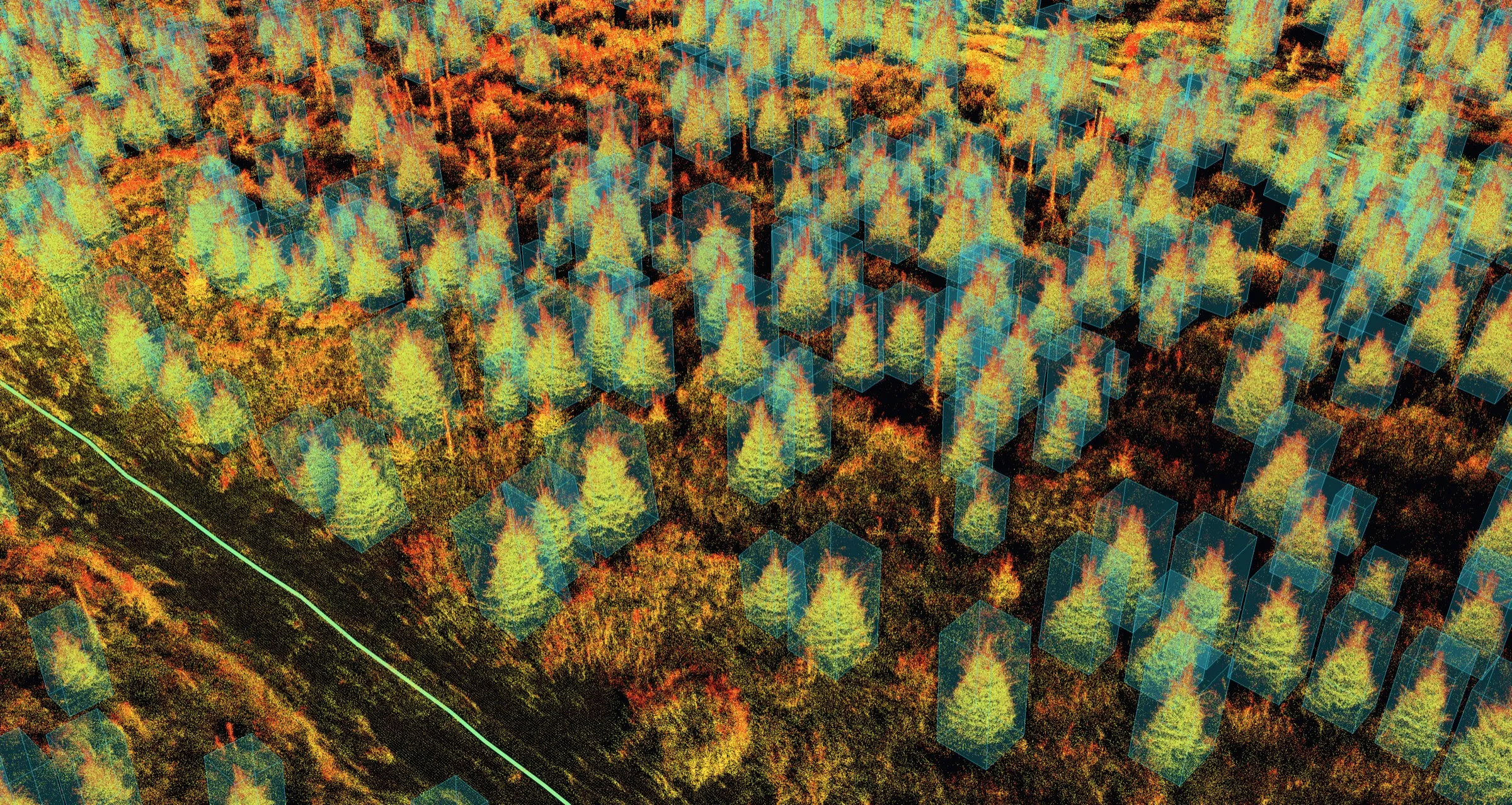
moss turns vehicles people already drive into sensors that read a whole site. That map is the ground truth every field robot will need, and we are building toward those robots.
Sense first. Then scout. Then work.
-
Today
Read the field
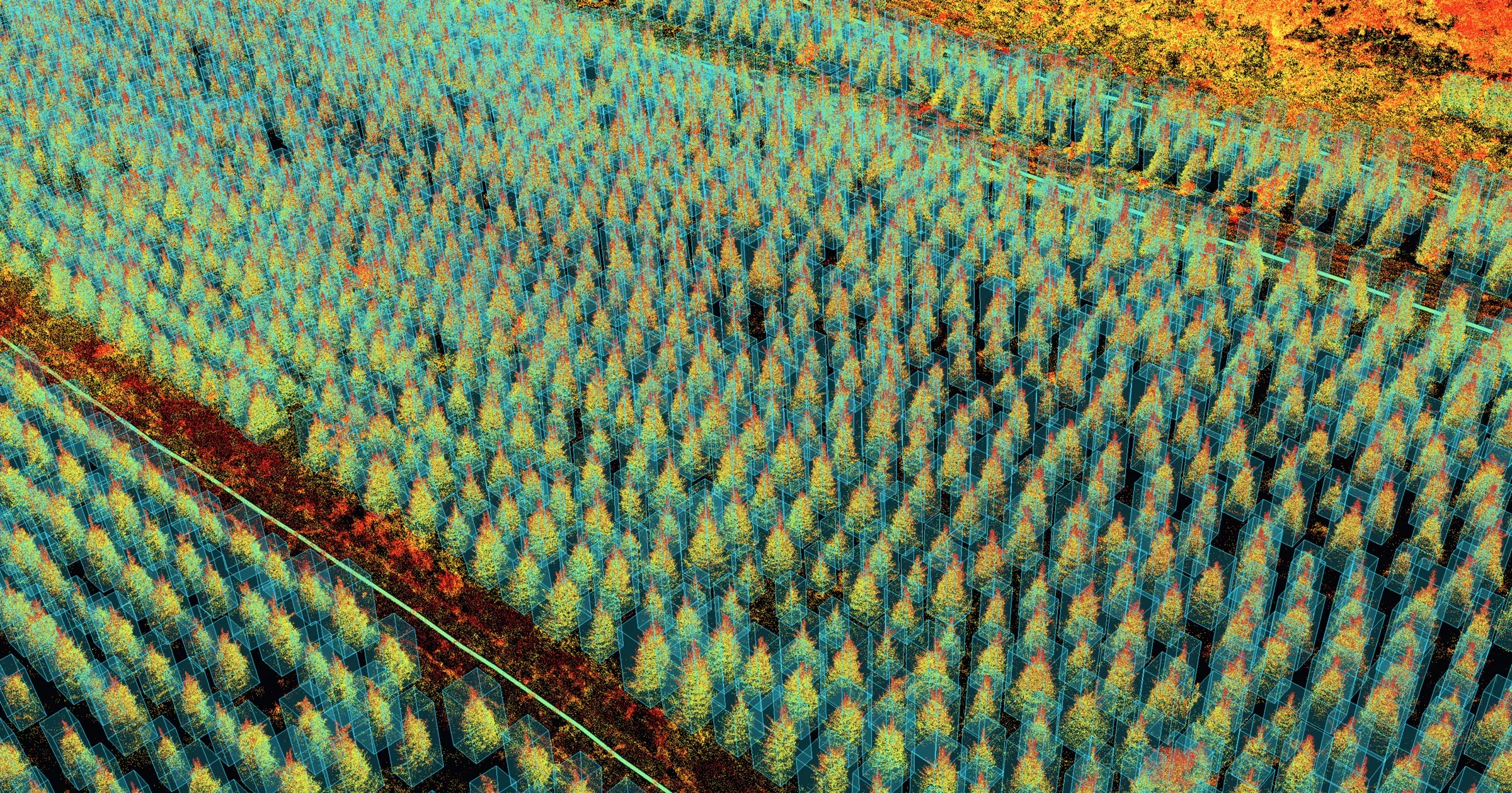
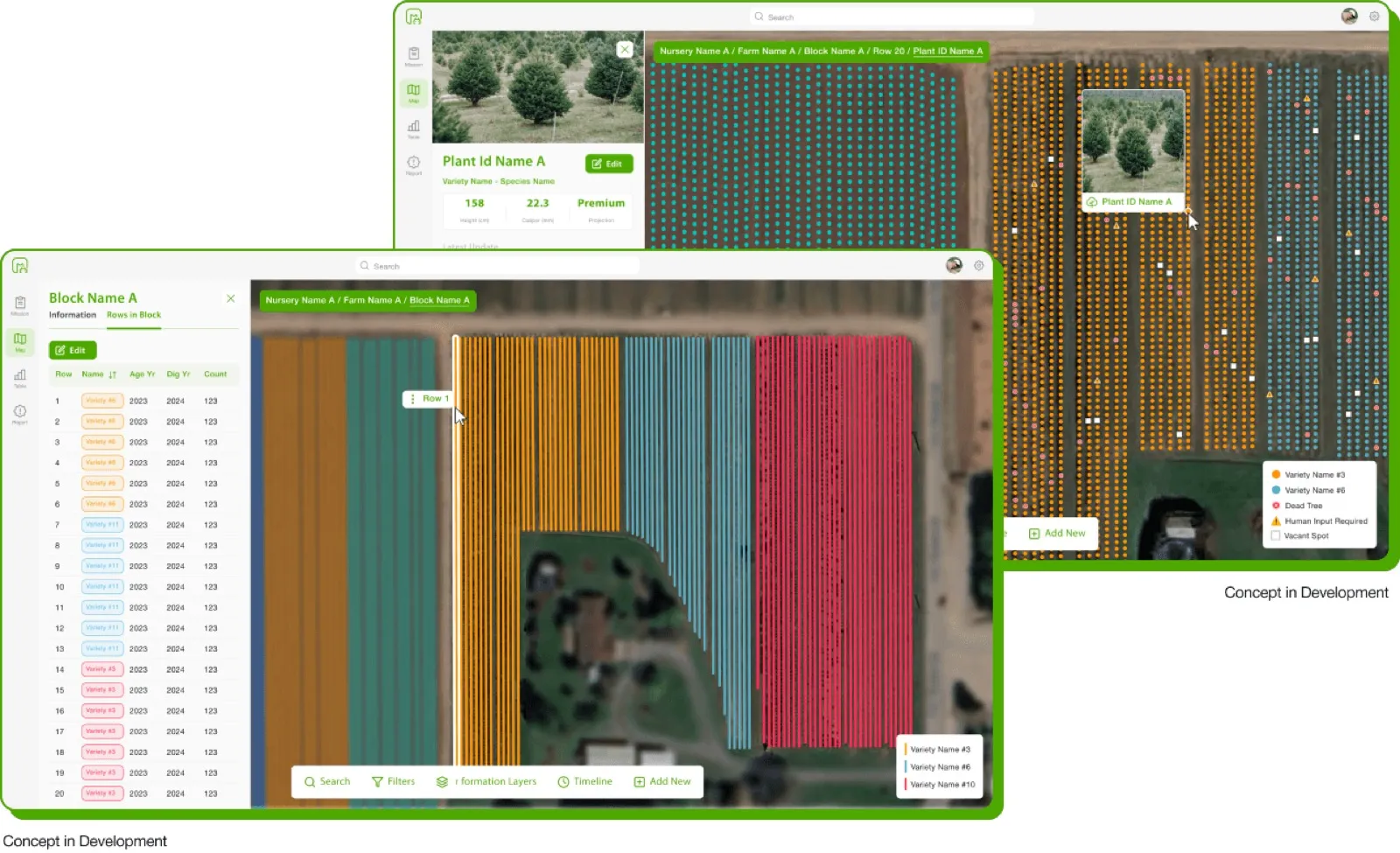
A sensor kit on the vehicles people already own. Every tree counted, measured, and placed on a live map.
In production for nurseries -
Next
Scout on its own
Rovers that run the rounds without a driver, and flag what changed since the last pass.
Where we are headed -
Then
Work the field
Robots that carry out the job tree by tree, guided by the same map: one site, many machines, one shared picture.
The long game
Why now.
Outdoor work still runs on clipboards and memory. The pieces to change that have finally met in one kit.
-
01
Sensors got practical
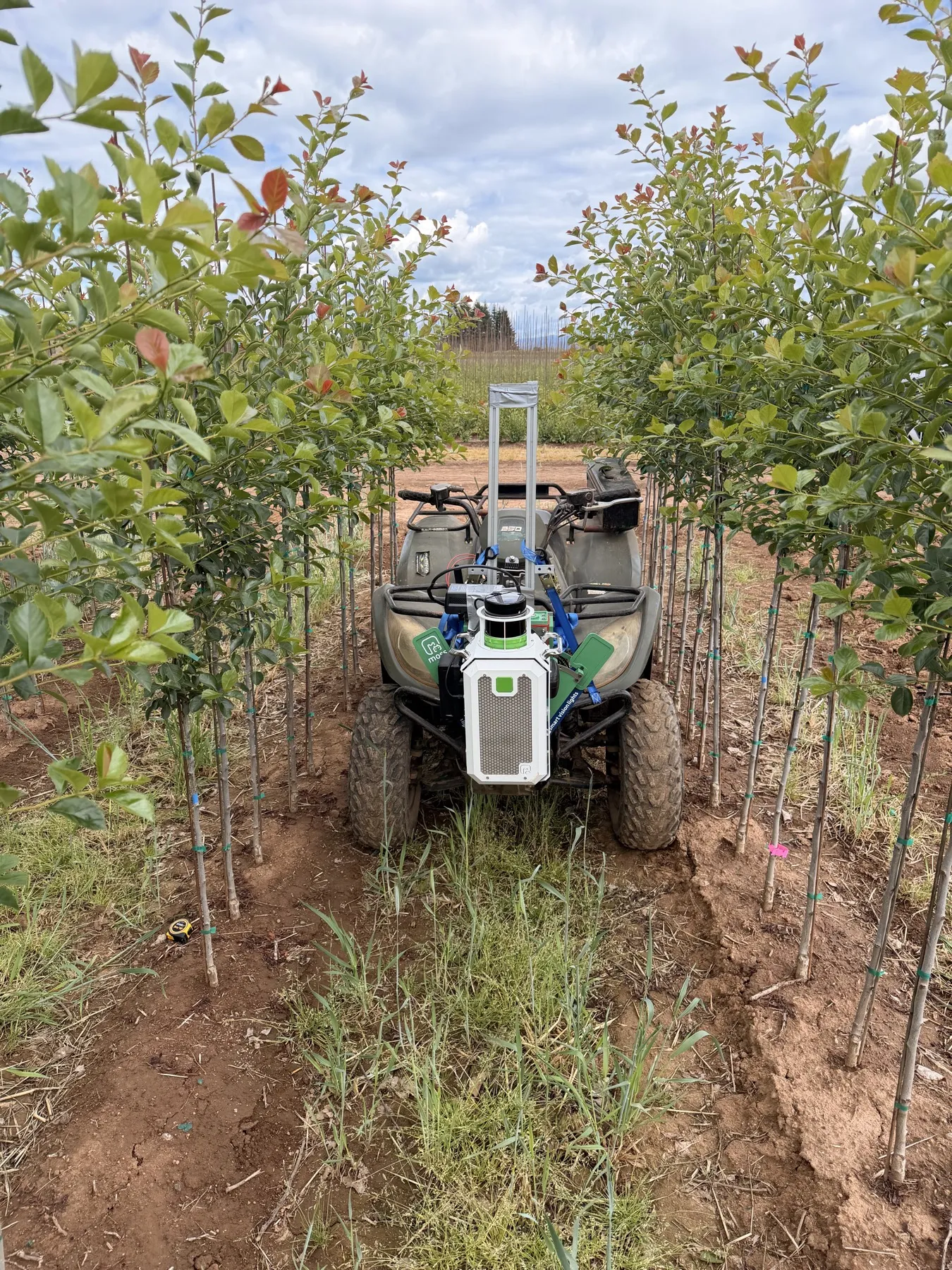
LiDAR, cameras, and GPS now fit on an ATV or a push cart, so scanning does not need special vehicles.
-
02
Range changes the math
The kit sees up to 200 ft. One pass covers several rows, so a crew can drive one row and skip the next three.
-
03
Robots need a map
A machine can only work a site it understands. Every scan we collect today builds that understanding.
Already on the ground.
moss is in production with tree nurseries today. Gas pipelines and construction are exploratory.
- Trees scanned
- 000
- Acres mapped
- 000
- Nursery customers
- 00
- Scan hours
- 000
Placeholder numbers. Replace with real figures before sharing.
Who is building it.
A small team of robotics, software, and design people who spend real time in the rows.
Founder name
Co-founder, CEO
Founder name
Co-founder, CTO
The team
Robotics, software, design
In the field
Pilots with growers
Help us build the field robots.
We are glad to share the roadmap, the data, and what growers tell us. Write to us and a founder will reply.
Write to the founders